


For the modern UK dental practice, a website is no longer just a digital brochure; it is the primary reception desk. However, the landscape of search has shifted. With the integration of AI into search results (like Google’s Search Generative Experience) and the dominance of voice search, the strategies that worked five years ago are now obsolete.
Small business owners often find themselves caught between conflicting advice from agencies and the confusing jargon of “ranking factors.” This guide cuts through the noise, providing a data-backed roadmap specifically for dentists looking to attract patients in the UK market.
The Foundation: Local SEO for UK Dental Practices
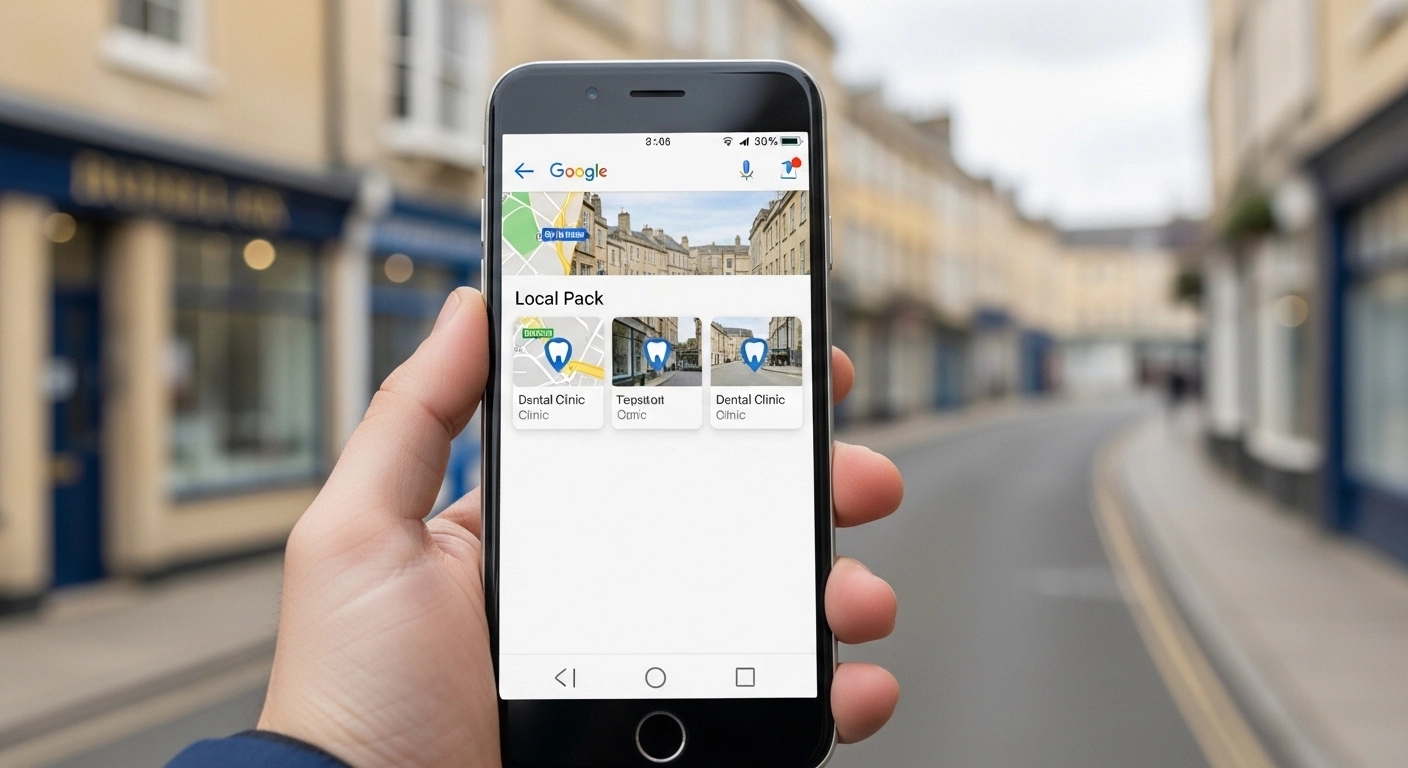
Optimizing for the “Dentist Near Me” Searcher
Data from Semrush indicates that local intent keywords (e.g., “emergency dentist near me”) account for the vast majority of dental traffic. To capture this, your practice must be visible in the coveted “Local Pack” (the map listing at the top of Google).
The single most important factor here is your Google Business Profile (GBP).
-
Consistency (NAP): Your Name, Address, and Phone number must be identical across your website, your GBP, and every UK directory (Yell, 192, Healthcode, etc.). Inconsistent data confuses Google’s crawlers and erodes trust.
-
Category Selection: Ensure your primary category is precisely “Dentist.” Secondary categories like “Cosmetic Dentist” or “Dental Implants Periodontist” help Google understand your specific service range.
Building Geographic Authority
Beyond your GBP, you must build “geo-signals” into your website content. This means creating specific location pages. If you serve multiple areas (e.g., “Dentist in Manchester” and “Dentist in Salford“), you need unique, high-value pages for each, not just one page with a list of cities. These pages should detail local information, such as transport links to your surgery or participation in local health initiatives.
Semantic Tightness: Speaking Google’s Language
Google’s algorithms do not just look for the word “dentist”; they look for semantic relevance—topics related to dentistry. To be cited as an authority, your content must cover the ecosystem of dental care.

The Pillar and Cluster Method
Instead of writing one-off blog posts, structure your website like a medical textbook.
-
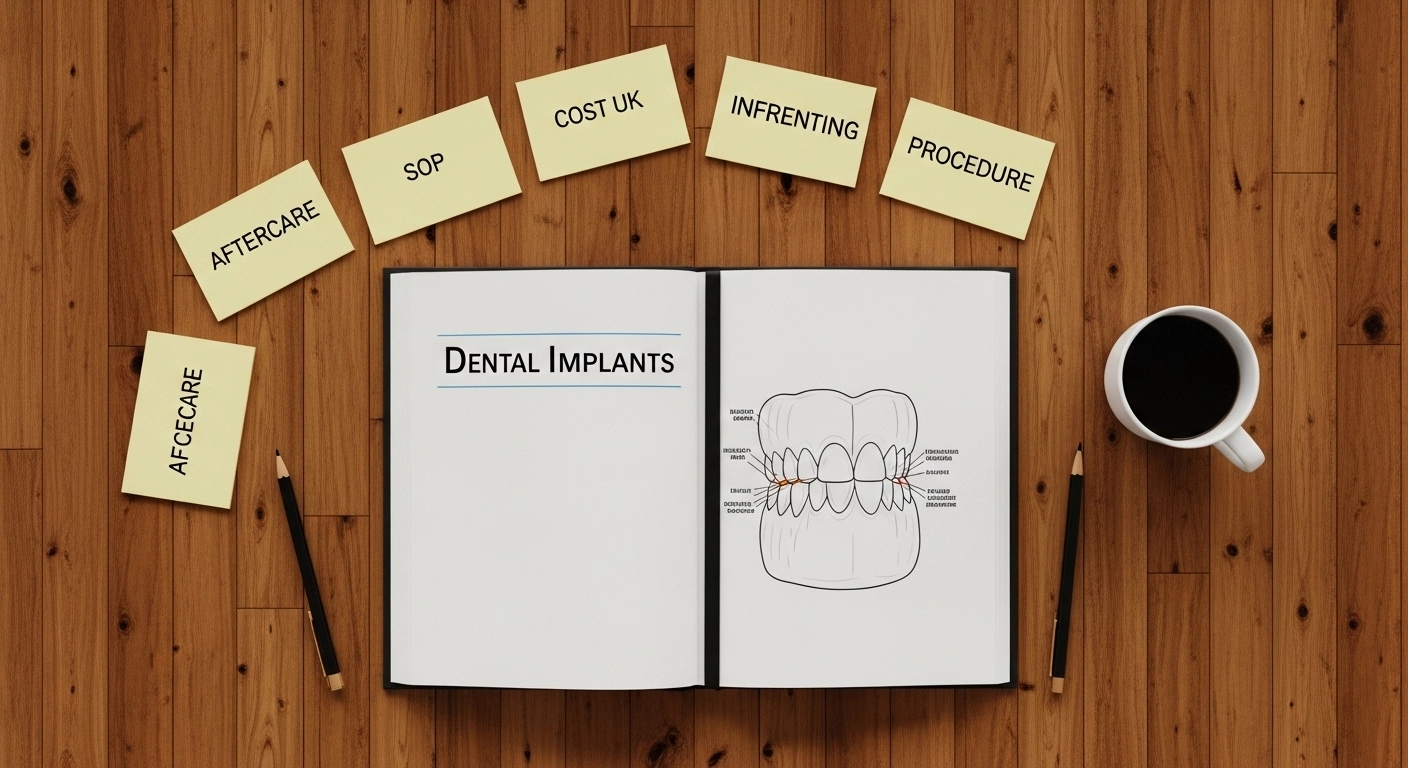
Pillar Page: A comprehensive guide on “Dental Implants.”
-
Cluster Content: Specific articles linking back to that pillar, such as “The Cost of Dental Implants in the UK,” “Dental Implant Aftercare,” and “Titanium vs. Zirconia Implants.”
This structure creates a “semantic web” on your site, making it easier for AI crawlers to understand that you are an expert on implants, not just a dentist who happens to mention them.
Technical SEO: The User Experience Mandate
User experience is now a direct ranking factor. Google’s Core Web Vitals measure how quickly and smoothly your site loads. For a potential patient, a slow site creates a negative perception of your practice before they even step through the door.
Mobile-First Indexing
Over 60% of searches for local services occur on mobile devices. If your website is difficult to navigate on an iPhone, or if the “Book Appointment” button is tiny and hard to click, the user will bounce back to the search results. Google tracks this “bounce rate” and interprets it as a sign that your site is not a good result, subsequently dropping your ranking.
Security (HTTPS)
Patients are sharing sensitive information when filling out contact forms. If your site is not secured with an SSL certificate (HTTPS rather than HTTP), Google flags it as unsafe. This is an instant barrier to trust and a non-negotiable technical requirement for ranking.
Authority Building: E-E-A-T in Dentistry
Google uses a concept called E-E-A-T (Experience, Expertise, Authoritativeness, and Trustworthiness) to judge content quality. For medical topics (termed “Your Money or Your Life” or YMYL), this is paramount.
The Role of Backlinks
Not all links are equal. A link from a spammy directory can harm you. However, a link from a respected UK institution, such as the British Dental Association, a local university, or a major health news outlet, acts as a “vote of confidence.” Strategies to earn these links include publishing original research (e.g., “Dental Health Trends”) or contributing expert commentary to local news sites.
Reviews and Reputation Management
Your star rating on Google Maps is not just for social proof; it is a ranking factor. A practice with 50 reviews and a 4.8-star rating will almost always outrank a practice with 5 reviews and a 5-star rating. Encourage every happy patient to leave a review, and ensure you respond professionally to every single one—good or bad.

Conclusion
Ranking a dental practice in the UK requires a shift from generic SEO tactics to a highly specialized, local-first approach. By securing your technical foundation, optimizing your Google Business Profile with precision, and building authority through semantically rich content, you create a digital presence that algorithms trust and patients choose. The data is clear, a strategic, patient-centric website is the most effective marketing asset a modern dentist can own.
Struggling to implement these SEO strategies on your own?
While the data-driven methods above are proven to attract high-intent patients, executing them requires consistent technical oversight and content creation—time that is often better spent chair-side with patients. If you would rather have an expert handle the algorithms so you can focus on clinical care, we offer SEO management for UK dental practices through Xcons Solutions Ltd. Let’s discuss a strategy specific to your practice’s growth goals.